Some lessons don’t happen in classrooms. Sometimes, all it takes is an apron, a kitchen, and a group of students ready to try something different.
Student culinary activities are one of the most engaging and effective ways to learn by doing. There’s no abstract theory here: it’s hands-on, sensory, and authentic. Cooking is action—and when the ingredients are shared, so is the experience.
At We Chef BCN, we’ve been welcoming student groups for over a decade. School trips, Erasmus programs, international exchanges—you name it. And every time, we see the same magic happen: students open up, cook together, and truly connect.
This article is for you—the teacher, group leader, or university coordinator—looking for something meaningful and original for your students in Barcelona. We’ll show you why cooking together is more than a fun activity. It’s often the most memorable part of the trip.
When cooking becomes a way to learn
This isn’t a brochure. It’s a real guide.
Here’s what we’ll cover:
- Why cooking works so well with student groups (yes, even the shy ones).
- What a culinary workshop looks like when tailored for students.
- Which recipes, formats, and rhythms work best depending on the group’s age and profile.
- How to organize everything easily and safely.
- The unexpected benefits of student culinary experiences.
- Clear answers to the most common questions we get from schools and coordinators.
- And most importantly, how to ensure your students learn, laugh, and create memories that go far beyond a typical tourist activity.
Let’s just say: this goes well beyond making a few croquettes.
Why student culinary activities work so well
Because everyone fits in
We’ve seen it again and again: in the kitchen, everyone finds their place.
The student who never speaks in class is suddenly focused on chopping onions. The independent one is helping others plate their tapas. And the friends who always stick together? They start discovering new sides of each other.
In short: the usual roles disappear, and new dynamics emerge.
Because they learn with their hands—and their senses
There’s no learning more memorable than the kind that involves all five senses. And that’s what cooking is all about.
- What happens if the sofrito burns?
- Why use bomba rice for paella?
- How do you make a tapa look appealing?
These questions come up naturally, in the moment—and students remember the answers because they lived them.
Because it’s culture, language, and teamwork—all in one activity
Preparing a Spanish omelet or pan con tomate isn’t just cooking—it’s stepping into local culture.
And for international students, that’s powerful. It’s a direct, unfiltered way to experience the Mediterranean lifestyle.
Add to that the teamwork and real-time communication required in the kitchen (with gestures, translations, and laughter), and you’ve got the perfect social and cultural learning experience.
What does a typical student cooking workshop look like?
First contact: setting the tone
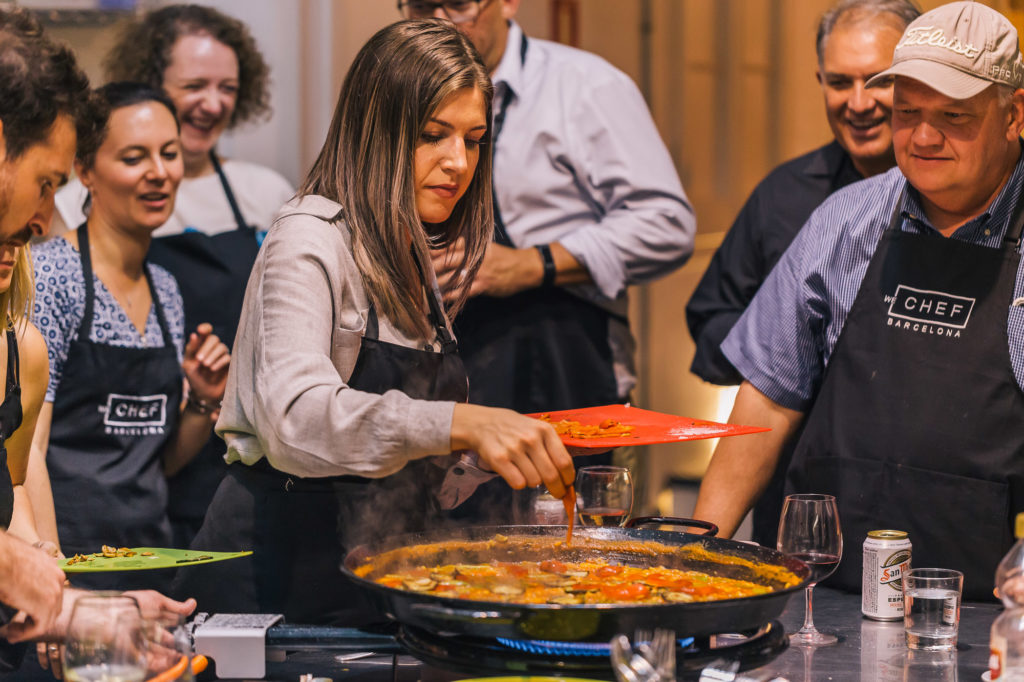
Students arrive at a bright, welcoming space that’s warm and professional. Not a fancy restaurant—an actual kitchen where people cook, learn, and laugh together.
Aprons go on, ingredients are introduced, and teams are formed.
Then we explain the plan: which recipes we’re cooking, how the teams will collaborate, and what each person can expect. It’s relaxed, friendly, and inclusive.
Tapas phase: start with energy and creativity
Tapas are a great way to kick off the session. Each team works on a different dish:
- Spanish omelet
- Pan con tomate with Iberian ham
- Croquettes
- Pimientos de padrón
- Seasonal creations
They’re fun, easy to make, and allow for creativity and quick wins.
Paella phase: the heart of the experience
This is where real teamwork comes in. Paella requires coordination, timing, and shared responsibility.
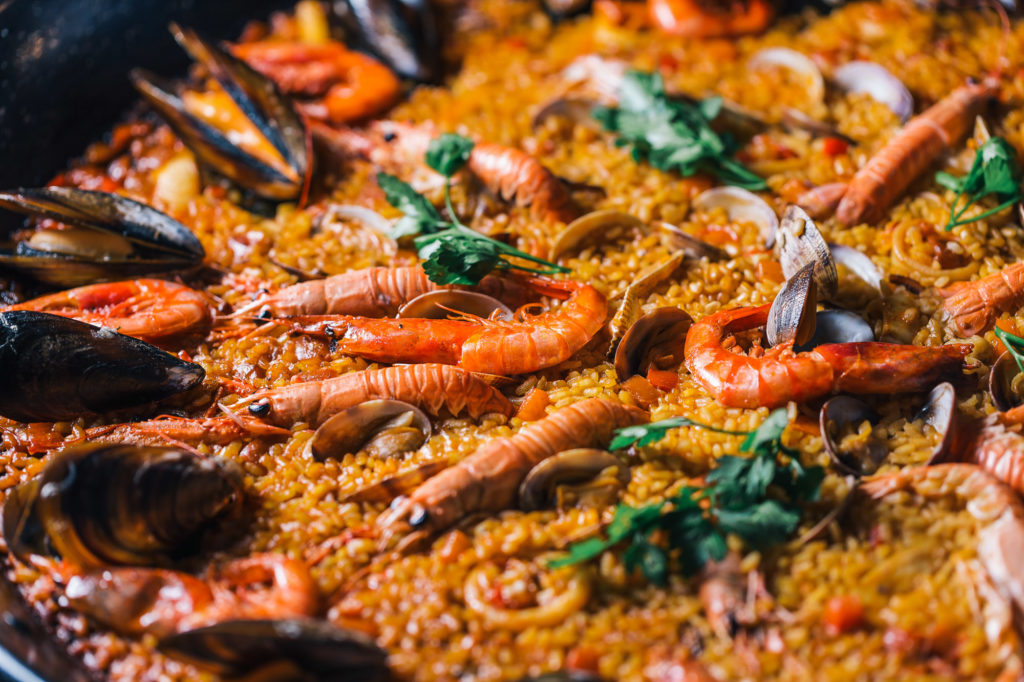
Each group makes their own pan of paella—usually one of these:
- Seafood
- Mixed
- Vegetarian
All ingredients are fresh, seasonal, and locally sourced. And yes, we adapt everything to the group’s dietary needs.
It’s a hands-on culinary challenge that feels more like a team mission than a recipe.
Then comes the best part: everyone sits together and enjoys what they’ve made. The pride, the satisfaction, the photos—it all happens naturally.
Workshops tailored to your group
For school groups (ages 12–17)
We keep the pace dynamic, the instructions clear, and the recipes fun and accessible. Everything is adapted to the group’s rhythm and level of engagement.
For university or Erasmus students
We offer more depth for older groups—sometimes including technique, cultural context, or storytelling. Whether it’s a cultural immersion or just a break from lectures, it fits perfectly.
For international or mixed-language groups
Here, we focus on clear, inclusive communication. Bilingual facilitation (Spanish and English), gestures, and visual aids ensure everyone feels part of the action.
In every case, our goal is to help students learn, share, and connect.
What do you need to organize it?
Just a clear purpose
Are you aiming for a cultural activity? A social bonding moment? A hands-on learning experience?
Tell us what you’re looking for, and we’ll help you design it.
Basic group details
Number of participants, age range, dietary requirements—we take care of the rest.
That’s it!
We’ll handle the kitchen, the recipes, the materials, the team, and the energy.
You can see how we work with students here: Student Group Activities in Barcelona
Add-ons that make it even better
Personalized digital recipe book
A great souvenir with all the recipes, photos from the day, and culinary tips—students love sharing it back home.
Friendly team challenges
Nothing too competitive—just for fun. We might award:
- Most creative tapa
- Best plating
- Top teamwork
Everyone wins in some way.
Photographer or videographer
Want to capture the moment? We can help arrange a photo or video session. Always a hit with school blogs and Instagram feeds.
FAQs we hear often
What if someone has allergies or dietary restrictions?
That’s one of our first questions. We adapt everything to make the experience safe, inclusive, and just as enjoyable for everyone.
Do students need cooking experience?
Not at all. Our workshops are designed for total beginners. We guide each step and make it easy.
What languages are the workshops available in?
Spanish, English, or both. We’re used to international groups and adapt accordingly.
How long does the workshop last?
Usually 2.5 to 3 hours, but we can adjust depending on your schedule.
What’s the ideal group size?
Between 10 and 60 participants. We scale the experience to fit your group comfortably.
When students cook together, they create more than just food
It’s not always easy to explain why this kind of workshop works so well—until you see it.
You see a group arrive, a bit quiet, maybe hesitant.
And leave laughing, proud, and completely transformed.
Student culinary activities aren’t just “something different to do.” They’re cultural immersion, teamwork, creativity, and real life experience all rolled into one.
At We Chef BCN, we don’t just offer cooking classes. We create real moments that stick—with students, teachers, and group leaders alike.
So, if you’re planning a trip, a program, or a student event, this might just be the experience they’ll remember the most.
Discover our student-focused workshops here:
Student group activities
Or reach out through:
We Chef Barcelona
We’ll help you create a student experience that tastes like learning—and feels like Barcelona.